
Safe packaging of drug delivery devices: requirements for handling, assembly and packaging
Modern medicines are increasingly being administered via a variety of delivery systems. In addition to traditional primary containers such as vials and ampoules, pre-filled syringes, cartridges, pens and auto-injectors are also used. These product configurations place specific demands on handling, assembly and secondary packaging.
In the context of pharmaceutical packaging, this means that, in addition to protecting the primary container, consideration must also be given to the correct combination of various components and to process design tailored to the specific product. Controlled material flows, defined in-process controls and suitable packaging concepts play a particularly important role in this regard.
Different formats and components
Drug delivery devices and parenteral medicines may consist of various primary containers, administration systems and accessories. Depending on the product, this results in different requirements for feeding, separation, assembly, labelling and packaging.
Possible product and component categories include:
- Parenteral primary containers: vials, ampoules, pre-filled syringes and cartridges
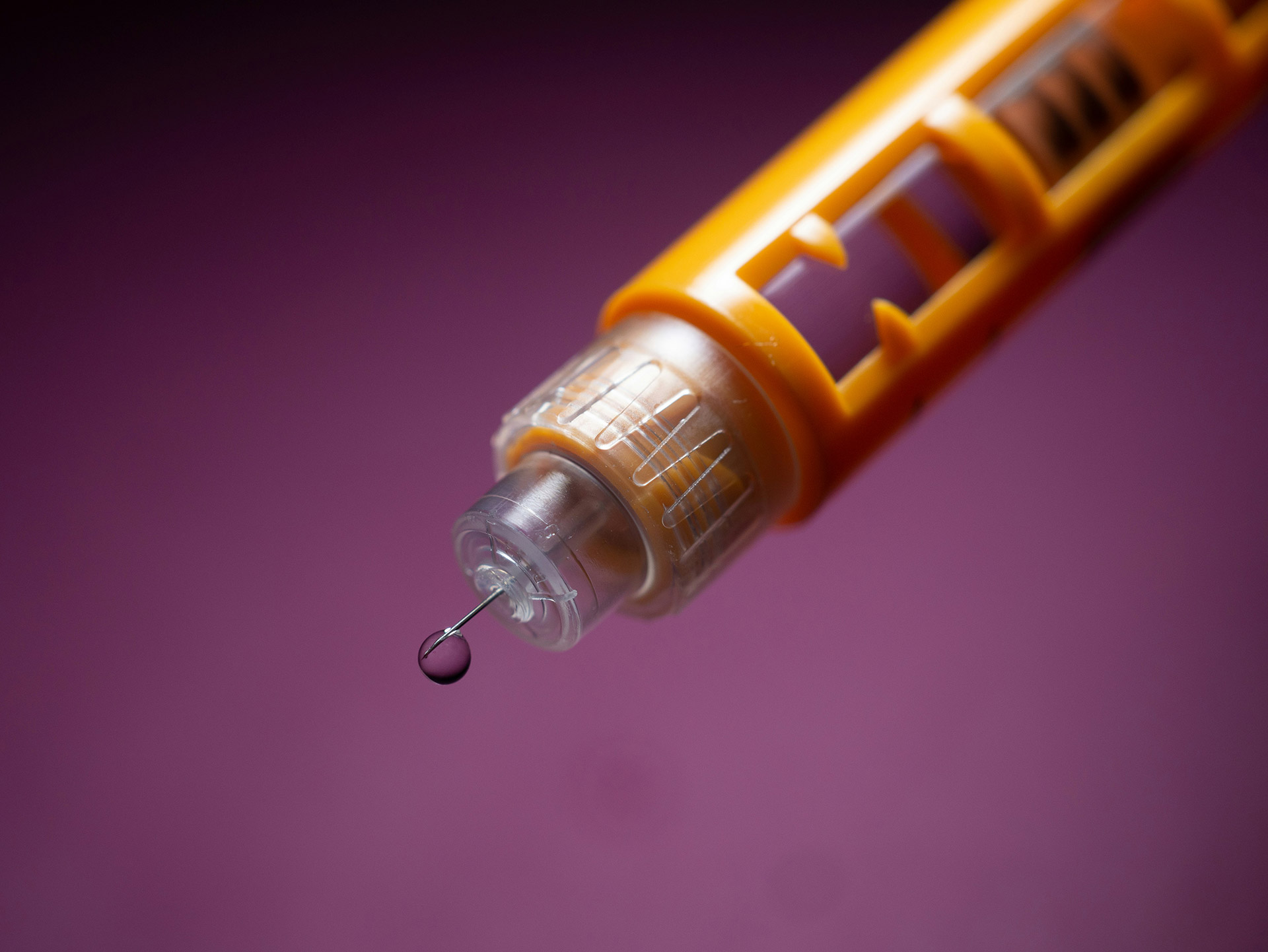
- Drug delivery devices: pens, auto-injectors, inhalers and infusion systems
- Accessories and components: safety needles, pen needles, standard needles, vial adaptors and other product-specific components
- Combination packaging: the assembly of several components within a defined secondary package
The specific process design depends on the product, the packaging configuration and the relevant quality requirements.
Handling of delicate primary containers
Particular attention must be paid to the mechanical stress exerted during processing, especially in the case of glass containers and delicate injection systems. Feeding, transport and placement processes should be designed in such a way as to minimise damage to the primary container and to delicate components.
Automated feeding and pick-and-place systems, as well as defined process parameters, can be utilised for this purpose. In-process checks also support the inspection of components and packaging units.
The tests and process steps employed are determined in accordance with the respective product and packaging configuration.
Device assembly and combined packaging concepts
In the case of more complex pharmaceutical configurations, it may be necessary not only to provide the actual secondary packaging but also to assemble the primary container, the delivery system and the accessories.
In device assembly, various components are combined in accordance with the relevant product specification. For example, pre-filled syringes can be combined with application components, or vials with suitable adaptors and accessories.
Optical inspection systems and defined in-process controls can help to verify the correct composition and completeness of the respective packaging unit.
Flexible packaging for different product configurations
A flexible packaging infrastructure can help to accommodate different product and packaging configurations within standardised quality processes.
Appropriate modular plant and packaging concepts are planned for Complex Pharmaceuticals’ new site in Traiskirchen. Depending on product requirements, different formats, primary containers and components can be accommodated.
Possible process steps include, for example:
- Component feeding: Organised provision and feeding of the respective primary containers and accessories.
- Labelling: Application of product- and market-specific labelling, as well as serialisation where applicable.
- Device assembly: Combining defined components in accordance with the respective product specification.
- Secondary packaging: Placing and packing the components into folding cartons, trays or other suitable packaging systems.
- In-process inspection: Checking relevant characteristics such as completeness, positioning and labelling.
The specific design depends on the product, packaging concept, target market and the relevant quality requirements.
Conclusion
The secondary packaging of modern drug delivery devices involves more than simply enclosing a medicinal product. Different primary containers, delivery systems and accessories require coordinated handling, assembly and packaging processes.
A modular packaging infrastructure can help to accommodate various product configurations within defined and documented quality processes. Appropriate material flows, in-process controls and a process design tailored to the specific product are key prerequisites for this.
This provides contract manufacturing clients with the option to process even more complex pharmaceutical and device configurations within a coordinated secondary packaging structure.
Let’s plan your requirements for 2027 together. Speak to our experts about your specific packaging processes and interfaces.